Call 988 when someone is in emotional or psychological crisis and there's no immediate danger to life. Call 911 when someone's breathing has stopped, bleeding won't stop, or violence is happening right now. The two systems work together, not against each other, and knowing the difference before you need it is what actually matters.
TL;DR:
- Most calls to 988 are resolved via phone, text, or chat, with less than 10% requiring law enforcement or emergency responders.
- Only physical danger situations, such as unresponsiveness or active violence, justify calling 911 immediately.
- Coordinating between 988 and 911 happens only when a crisis involves imminent risk of harm; consent and necessity guide the response.
- Preparing a family or workplace by practicing who calls which number and what information to share can reduce panic during crises.
- Calling 988 first is recommended in non-physical crises, and knowing the specific thresholds for police involvement is essential for effective action.
Table of Contents
- What are 988 and 911, and how are they different?
- When should you call 988?
- When should you call 911 instead?
- What actually happens when you call each number?
- How do 988 and 911 coordinate on the same call?
- How do you prepare your family or workplace before a crisis hits?
- A quiet parent perspective: what I wish I'd known
- Where The MentorWell fits when you want to practise this before you need it
- Sources
- FAQ
What are 988 and 911, and how are they different?
The 988 Suicide & Crisis Lifeline is a 24/7 national network of trained crisis counsellors. Their job is emotional support, de-escalation, and connecting people to follow-up resources, not dispatching an ambulance. It expanded the old National Suicide Prevention Lifeline into an easier three-digit number. The original 10-digit line still works, too, if that's the number saved in an old phone.
911 is different by design. It's a local public safety dispatch system built to send police, paramedics, or firefighters to a physical location, fast.
SAMHSA frames these as complementary systems, not competitors:
- 988 handles behavioural health, distress, and crisis conversations.
- 911 handles anything requiring an in-person physical response.
- Both can be reached from any phone, anywhere in the country, at any hour.
When should you call 988?
If you're standing in a kitchen at 11 p.m. wondering whether what you just heard from your kid counts as "bad enough," it counts. Call 988. Here's what typically qualifies:
- Suicidal thoughts, with or without a plan.
- Panic that feels unbearable but hasn't caused physical harm.
- Overwhelming grief, anxiety, or emotional shutdown.
- Worry about a loved one's behaviour, even if you're not sure it's urgent.
- Thoughts of self-harm that haven't turned into an active injury.
- Substance-use distress, short of an overdose in progress.
Most 988 contacts are resolved by phone, text, or chat through crisis intervention counselling. Counsellors listen, help build a short-term safety plan, and refer people to ongoing care. No sirens, no uniforms, most of the time. If you're not sure whether a situation is dangerous enough for 911, that uncertainty is your answer. Call 988 first.
When should you call 911 instead?
Some moments don't leave room for judgment calls. If any of these are happening, call 911 immediately:
- Someone is unconscious or unresponsive.
- Breathing has stopped or is severely laboured.
- Bleeding is heavy and won't stop.
- An overdose is happening right now, not in the past.
- Violence is active or a weapon is involved.
- There's a fire or an immediate threat to life or property.
911 dispatchers send responders trained to treat injuries, revive someone, or secure a dangerous scene. Colorado's state guidance puts it plainly: if a mental health crisis also involves imminent physical danger, 911 comes first. You can still call 988 afterward for the emotional support that follows.
What actually happens when you call each number?
The fear of calling either number often comes from not knowing what happens next. Here's the honest version.
- 988 calls connect you to a trained crisis counsellor. The conversation is confidential, handled mostly by phone, text, or web chat, and it isn't tracked by location the way a 911 call is.
- 911 calls start with a dispatcher asking for your exact location and what's happening, because that determines who gets sent.
- Coordination between them happens only when a 988 counsellor believes there's imminent risk that can't be resolved on the call itself.
SAMHSA's guidance for healthcare providers notes that only a small share of 988 contacts ever require activating 911. Most conversations end with a plan, not a dispatch.
How do 988 and 911 coordinate on the same call?
The word that matters here is "imminent." Not "worried." Not "concerned." Imminent, meaning someone is actively attempting to end their life or another life is in danger right now.
When that threshold is met, a 988 counsellor will bring in 911 to get physical help to the scene. Here's what that looks like in practice:
- The counsellor aims for consent and shares only the information necessary to keep someone safe.
- Local practices vary, so what happens next depends partly on where you live.
- The goal isn't punishment or force. It's making sure someone survives the next hour.
Pro Tip: Local implementation of 988 to 911 coordination differs by region. If you want to know exactly how it works where you live, ask your local crisis centre directly. It's a fair question, and they expect it.
Most calls to 988 never reach this point. The reassurance families need most is that reaching out doesn't automatically mean police at the door.
How do you prepare your family or workplace before a crisis hits?
Preparation isn't about expecting the worst. It's about not freezing when it happens.
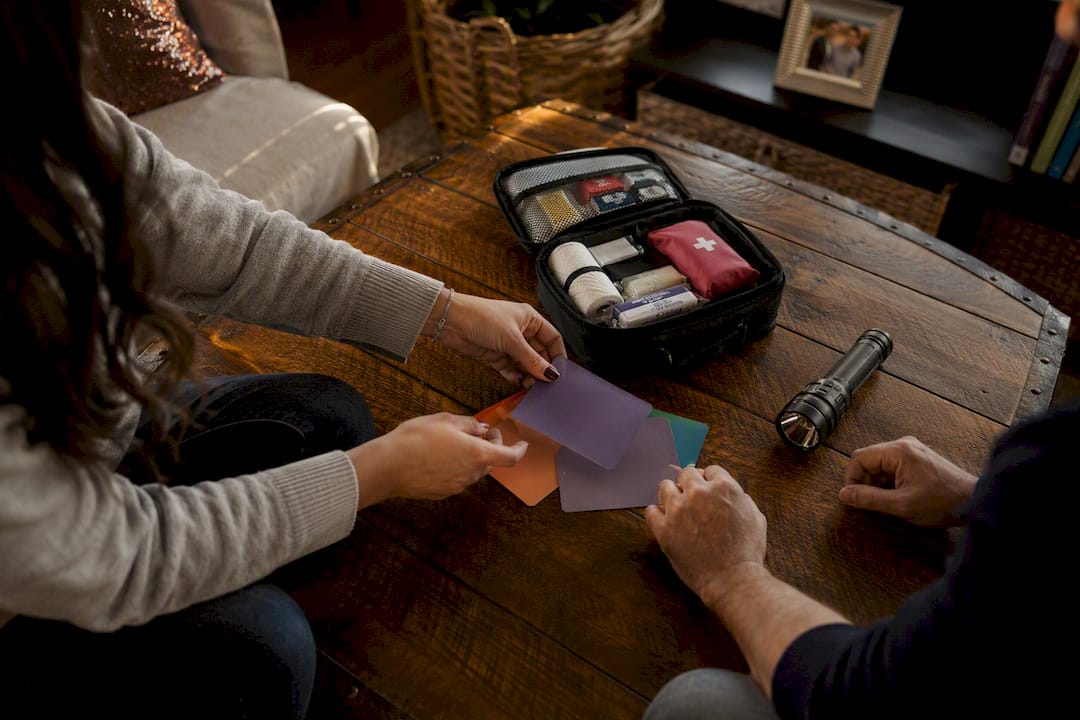
- Write both numbers into a shared safety plan, not just your phone contacts.
- Practise a role play once: who calls which number, and why.
- Know what each call needs, your exact location, whether it's a mental health crisis or a physical one, whether an overdose or violence is involved.
- Talk through the scenario before it's real, at the dinner table, not in the car on the way to the hospital.
Workplaces benefit from this too. HR teams often freeze the same way parents do, unsure whether a struggling employee needs a manager conversation or an ambulance. The MentorWell's workshops for responding to an employee mental health emergency and the Teen Signal Check tool exist for exactly this kind of practice, before the real moment arrives.
Pro Tip: Run the role play once a month, the same way you'd check a smoke detector. It takes five minutes and it changes how fast you move when it counts.
A quiet parent perspective: what I wish I'd known
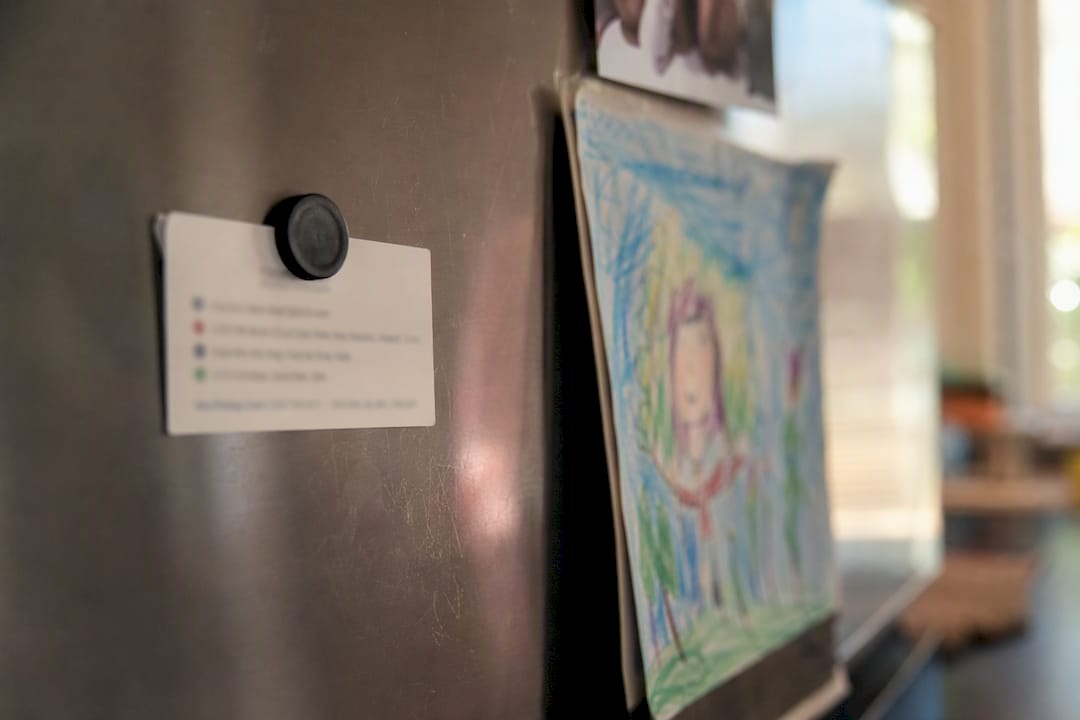
I keep a card on the fridge now. Two numbers, nothing else. It's not dramatic. It's just there, the way a grocery list is there.
I didn't have that. I had assumptions about what counted as "bad enough" to call anyone, and I got it wrong in ways I still think about on the dock most mornings.
The habit is small. A card. A conversation once a month about what you'd do if. That's it. It doesn't fix everything. But it means nobody in my house has to guess in the moment, because we already talked about it when nothing was wrong. The MentorWell built its workshops for families around that same idea: practise before you need it.
— Chris Coulter
Where The MentorWell fits when you want to practise this before you need it
Reading a list of scenarios helps once. It doesn't build the muscle you need at 2 a.m. when your hands are shaking and you can't remember which number does what. That's the gap The MentorWell was built to close.
The MentorWell runs live and on-demand workshops for parents and HR leaders that walk through exactly this kind of decision-making, including role play for who calls 988, who calls 911, and what to say in either call. The Teen Signal Check gives parents a structured way to catch warning signs early, long before a crisis call becomes necessary at all. Families who've gone through a hard moment often say the same thing afterward: they wished they'd practised the conversation first. You can start that practice now, before it's the middle of the night, through The MentorWell's family and workplace programs.
Sources
For operational detail beyond this article, SAMHSA's 988 FAQs and its key differences fact sheet cover policy and funding. Ohio's practical provider guide offers real-world scenario coaching, and research on 911 and 988 usage patterns explains why confusion between the two remains common.
This article is general information, not a substitute for advice from a qualified doctor. Consult a qualified healthcare professional about your own circumstances before acting on anything here.
- Advising people on using 988 versus 911: practical approaches for healthcare providers (SAMHSA resource hosted by Ohio)
- 988 frequently asked questions — SAMHSA
- About 988 — 988 Lifeline
- 988 and 911: getting the right support in a crisis (Colorado OSS)
FAQ
Why call 988 instead of 911?
Call 988 when the crisis is emotional or psychological and there's no immediate physical danger. You'll reach a trained crisis counsellor, not a dispatcher sending emergency responders.
What is the difference between 988 and 911?
988 connects callers to mental health crisis counsellors for support and de-escalation. 911 dispatches police, fire, or paramedics for physical emergencies requiring in-person intervention.
Does 988 still work in the US?
Yes. It's a permanent 24/7 national service, and the original 10-digit Lifeline number still connects to the same network if that's what's saved in your phone.
Can 988 send help to my location like 911 does?
Rarely, and only in cases of imminent risk. Most 988 contacts are resolved through conversation, without dispatching anyone to a physical location.
What if I'm not sure which number to call?
If there's no immediate physical danger, call 988 first. Counsellors there can help you decide if the situation needs 911 involvement too.